Episode 3: Flocks, Markets and a Pandemic Pivot
By the end of Episode 2 I had moved beyond watching my grandparents work livestock: I was building my own pedigrees and learning the hard lessons of breeding. Episode 3 picks up at that moment when my childhood curiosity became a serious passion—and how an unexpected global event forced me to rethink everything.
Building my own flocks.
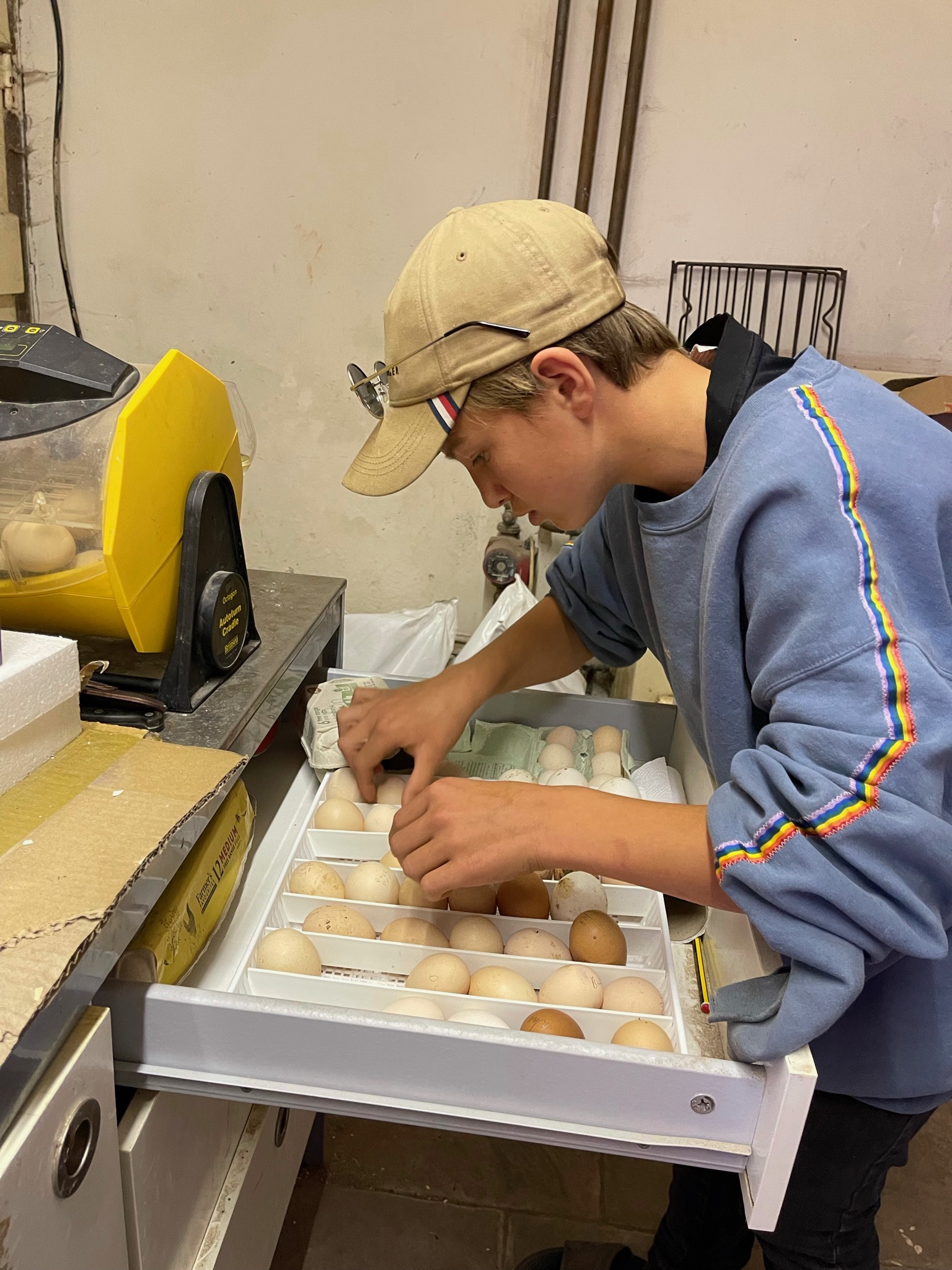
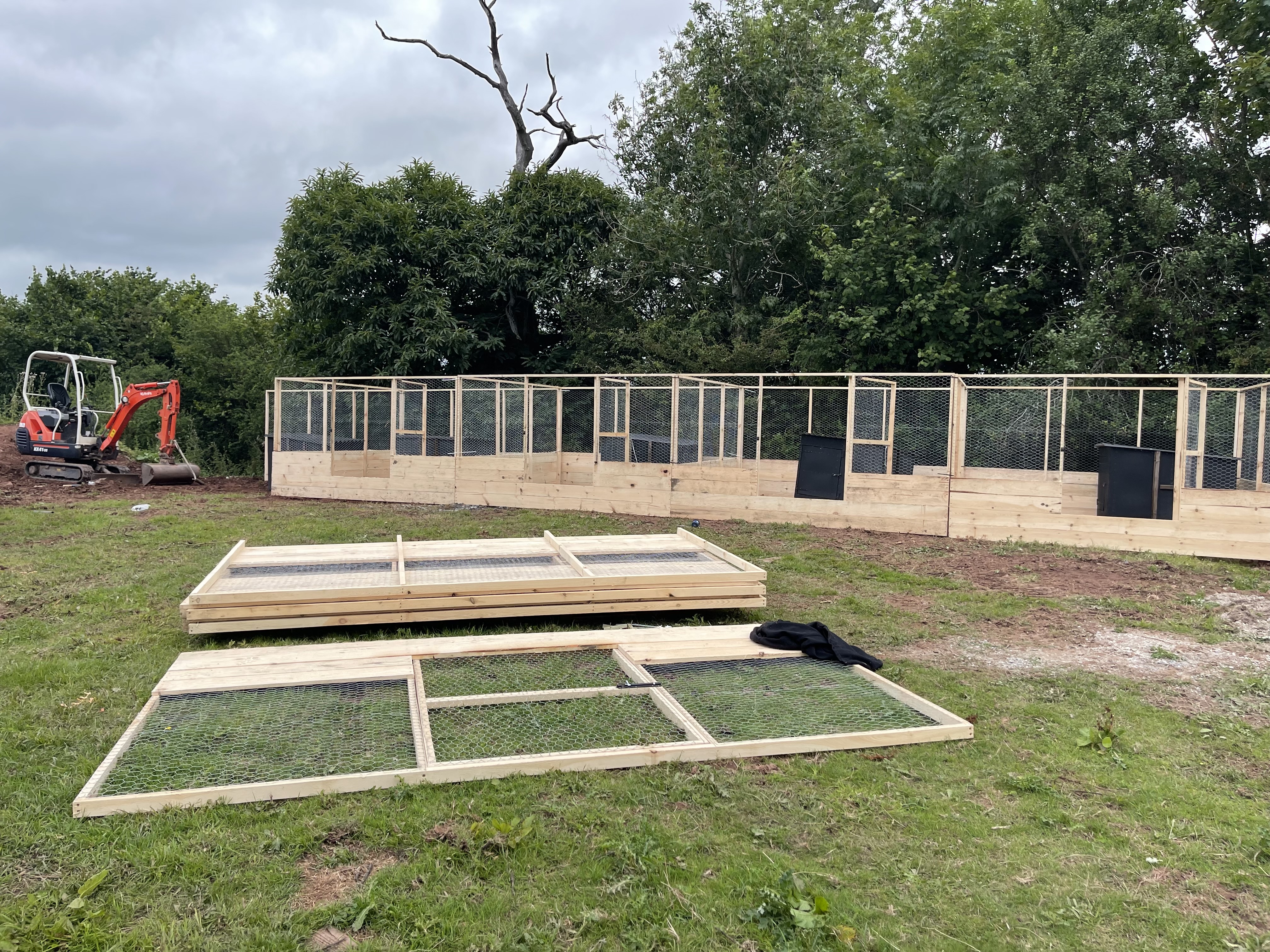
By this point my flocks were established and my focus shifted from simply starting them to improving and expanding them. I spent every spare moment learning—travelling across the country to buy birds, visiting breeders, studying bloodlines and gradually building breeding pens and increasing incubation setups at home. I was buying, selling and exchanging stock wherever I could, constantly looking to improve quality and understand the nuances of different breeds. Poultry was no longer just something we kept around the house; it had become an obsession. Every hatch, every new bird and every conversation with experienced breeders added another piece to the puzzle.
Immersed in poultry shows and markets.
I spent every spare moment on building Ty-Mawr Poultry I built breeding pens, ran my own incubation cycles and kept meticulous notes on bloodlines and hatch rates. I devoured books and spent evenings on the phone to breeders across the UK. I travelled the length of the country to meet people and buy birds—anything from Orpington’s, to Courtnix Quail, Cream Legbars to Brecon Buff Geese I was fascinated by the differences between commercial hybrids and heritage breeds. I learned to evaluate conformation and temperament, to manage disease and hatchling health, and to think about genetic diversity and conservation.
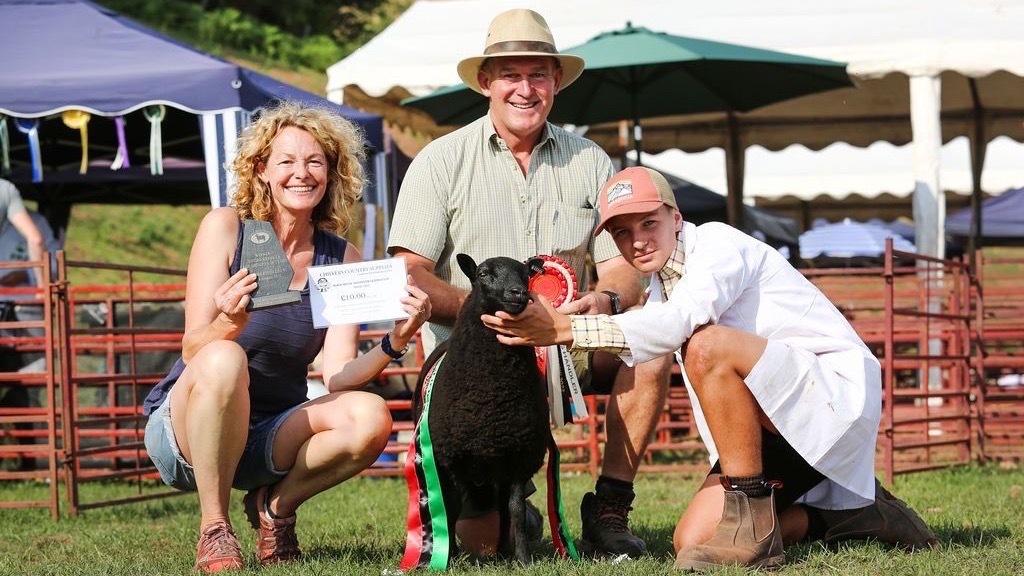
 I also started visiting agricultural shows not as a spectator but as a student. Instead of entering birds, I spent hours watching judging, asking questions and learning the details of presentation and type. My plan was to start exhibiting soon—but the pandemic changed everything before I had the chance.
COVID‑19 shuts the show circuit.
In early 2020, just as I was gearing up to show birds for the first time, COVID‑19 arrived. Shows were cancelled, markets closed and the normal channels for buying and selling poultry vanished overnight. The community that had welcomed me suddenly had nowhere to meet. It was frustrating and heartbreaking: years of work and anticipation disappeared in a matter of weeks.
Turning to digital and realising the gap.
Not willing to let everything stop, I started a makeshift WhatsApp poultry auction. I collected listings, grouped lots, scheduled timed sales and manually managed bidding. The response was immediate and overwhelming: within weeks we’d hit WhatsApp’s group capacity. It proved there was still huge demand and a lot of birds needing homes, but it also showed the limitations of ad‑hoc messaging groups. I moved to Telegram to accommodate more people, but it still wasn’t right—no categories, no search, no verification, no notifications. It was a stopgap, not a solution.
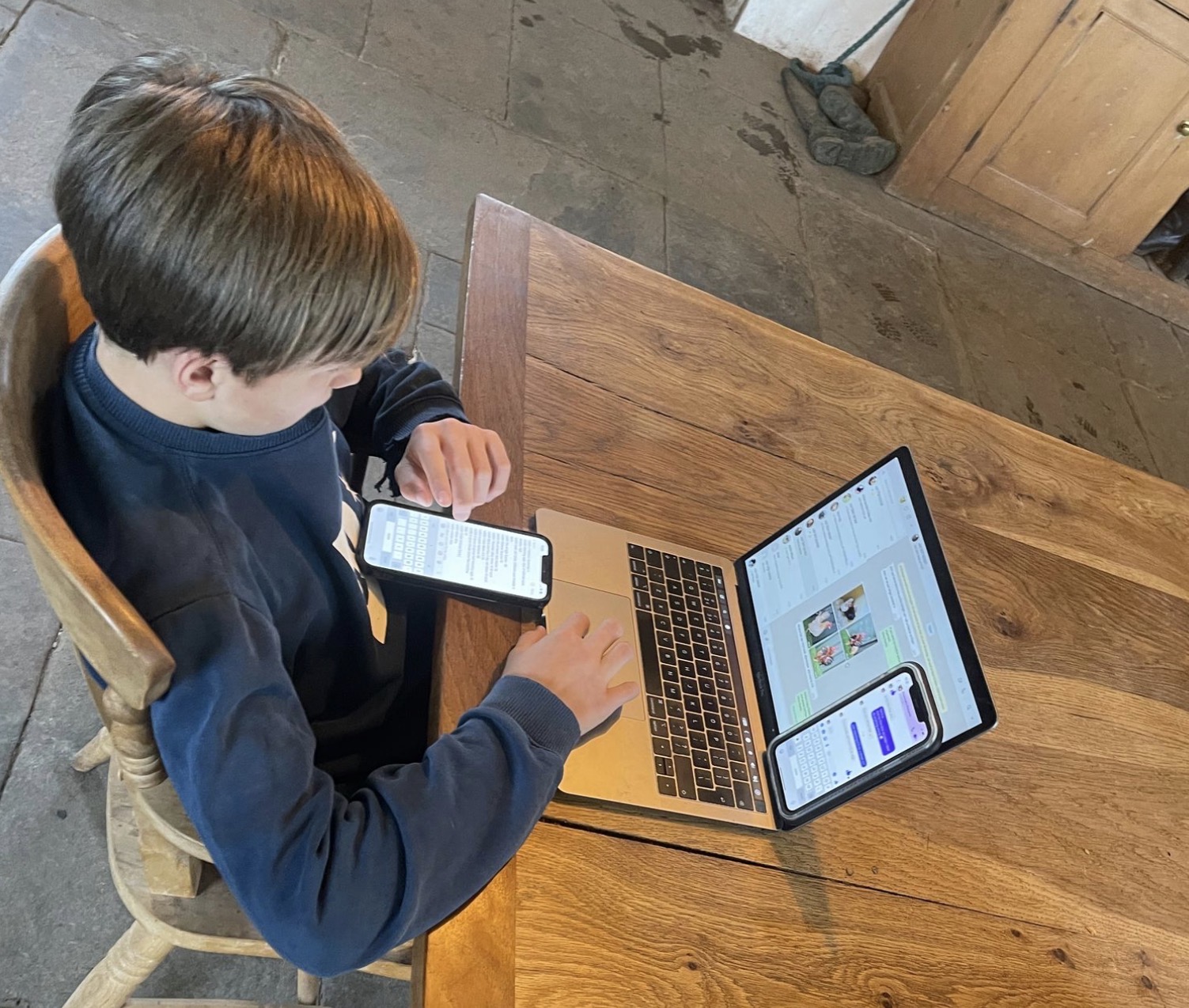
Those months were a turning point. I realised that our community didn’t just need another chat thread; we needed a dedicated platform built for poultry. We needed somewhere to find rare breeds, sell surplus stock, trace bloodlines, highlight conservation priorities and build trust between buyers and sellers. All the lessons from Ty‑Mawr—about doing things properly, balancing tradition with innovation, and using technology to support rural communities—came back to me.
In the next episode I’ll explain how an idea conceived in the middle of a pandemic turned into a real company: from sketching user interfaces and hiring developers to launching the UK’s first dedicated poultry app and evolving it into a conservation‑focused community.
Latest Blogs
See All FMP News & Announcements
The Find My Poultry Marketplace is now live!
Posted by AdminRead More FMP News & Announcements
Buy It Now Is Coming — And We’re Celebrating With an Easter Giveaway 🐣
Posted by AdminRead More Clubs, Societies & Organisations
The VBQS 2026 - ENTRIES OPEN NOW!!
Posted by BecaRead More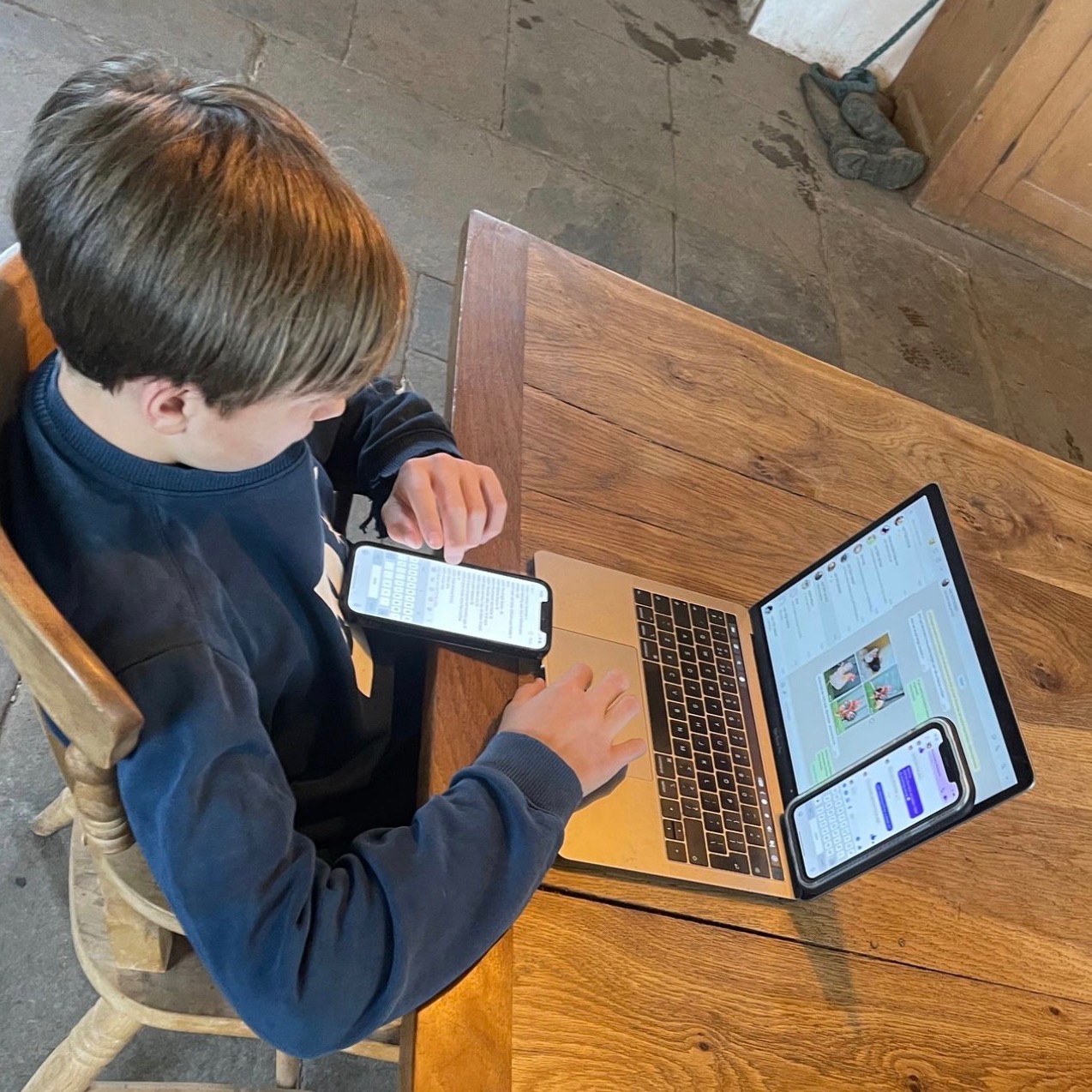 FMP News & Announcements