Episode 2: Grandparents, Livestock and the Path to Conservation Grazing
In Episode 1, I talked about how my parents’ work with Ty‑Mawr Lime immersed me in a world where traditional skills and modern thinking coexist. To explain how breeding became my passion, I need to go back another generation and to the livestock that shaped my early years.
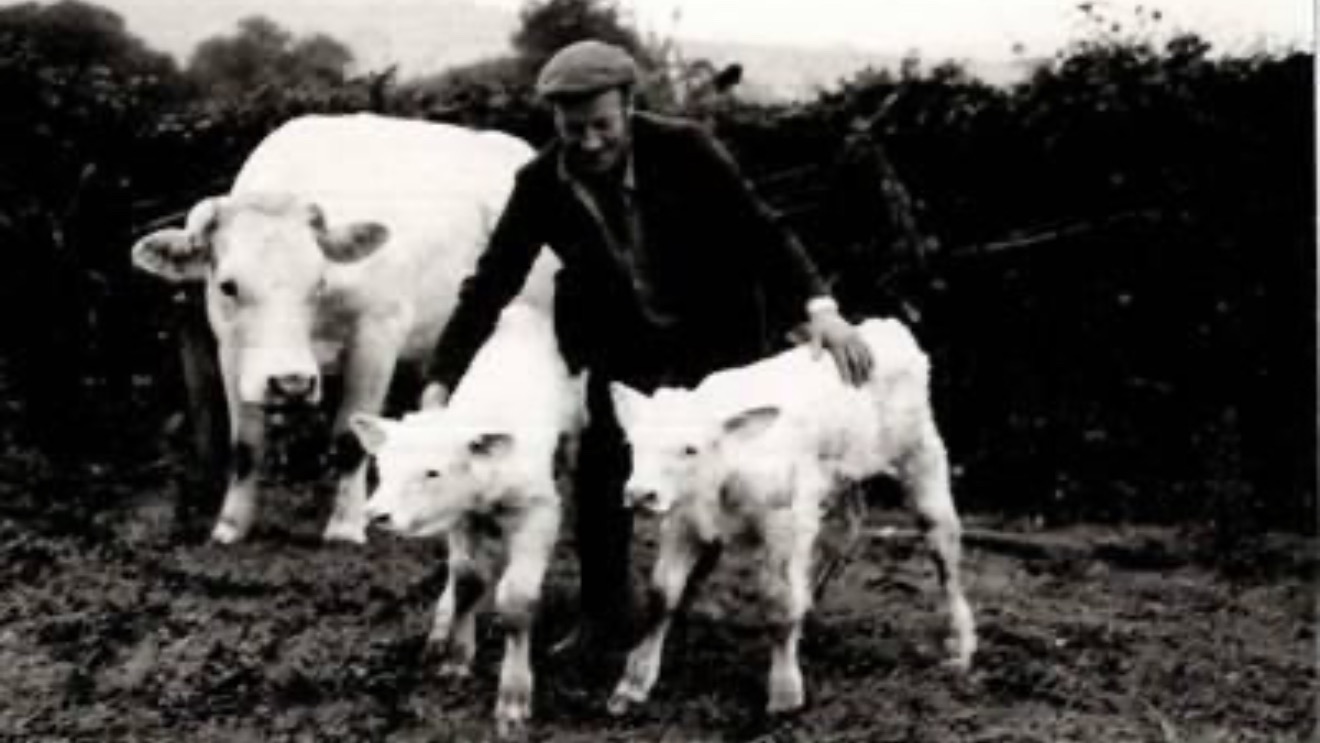
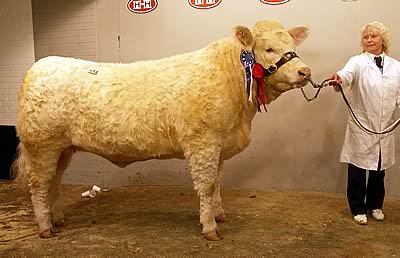
My mother was brought up on a hill farm where Welsh Mountain ponies, Hereford cattle and flocks of Welsh Mountain and Radnor sheep were part of daily life. She and her parents and siblings were deeply involved in their rural community and the Young Farmers Club activities; Mum even won the Welsh Champion Chicken‑Trussing competition at the Royal Welsh in 1982! Farming wasn’t just a job, it was a way of life. When they later moved to a farm on the opposite side of the lake from where I grew up, they adapted from hardy hill breeds to bigger lowland and beef breeds such as Charolais cattle and Texel sheep to suit the new ground. Those shifts—and hearing stories of my grandmother taking prize animals to markets and shows—gave me an early respect for stockmanship and adaptability. They won prizes all over the country with their sheep and cattle including the prestigious Christmas Cracker award with their Charolais Bull in Carlisle in 2005 and they won the Flock of the Year competiton for several years for their Texels. My Grandmother and Uncle are both respected judges for their sheep breeds.
After school I would often head across the lake to help with whatever was needed: feeding and brushing cattle, tidying pens or chasing after an escapee pheasant. Those afternoons were hands‑on lessons in patience and animal care. By my early teens that experience turned into action. I started my own flock of Black Welsh Mountain sheep under the Ty‑Mawr prefix, set up Ty‑Mawr Poultry and later founded the Llyn Syfaddan Miniature Shetland stud. I travelled the country to visit studs and flocks, learning from breeders and buying the best animals I could afford, having started with money left to me by my Grandfather, Deri Morgan. By fifteen I was judging classes at shows and selling or showing my own sheep, ponies and poultry. Those journeys taught me that breeding well is about genetics, but also year round care and final presentation as well as community.
As my interest deepened, I found myself drawn to the idea of livestock as more than commodities: they could be tools for conservation. Much of our land around Llangors Lake / Llyn Syfaddan is a Site of Special Scientific Interest (SSSI), so we began using “conservation grazers” – hardy native breeds that thrive on low‑input pasture and help manage delicate ecosystems. Native cattle and sheep selectively graze the dominant plants, which opens up space for a wider range of species to flourish . Their grazing, dung and trampling create varied swards and micro‑habitats . Last summer an ecologist surveyed our fields and counted 54 plant species in a single square metre, evidence of how this approach has brought the land back to life.
Working with native breeds on SSSI land has reinforced everything I learned growing up: that heritage and innovation go hand in hand. By choosing animals that are part of our rural history, we can restore biodiversity, support sustainable farming and keep traditional breeds relevant for the future. This approach—combining careful breeding, conservation grazing and a commitment to native livestock—laid a path that would eventually lead me beyond our farm to the wider poultry community and the idea of creating the Find My Poultry App.
In the next episode I’ll talk about how connecting with breeders across the UK and Ireland turned my personal passion into a broader mission to support the poultry community.
Latest Blogs
See All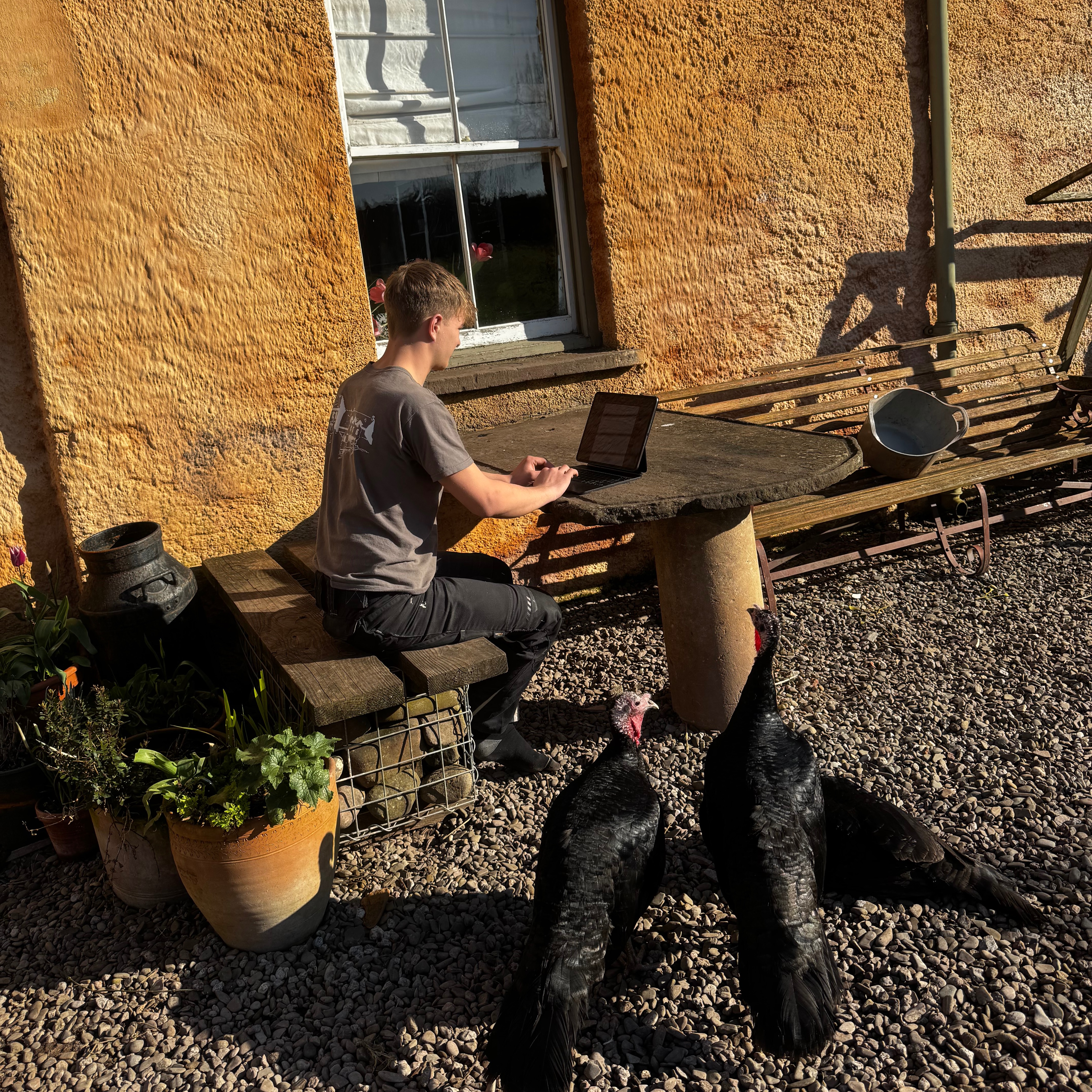 FMP News & Announcements
The Find My Poultry Marketplace is now live!
Posted by AdminRead More FMP News & Announcements
Buy It Now Is Coming — And We’re Celebrating With an Easter Giveaway 🐣
Posted by AdminRead More Clubs, Societies & Organisations
The VBQS 2026 - ENTRIES OPEN NOW!!
Posted by BecaRead More FMP News & Announcements